Nhundiaquara River and Marumbi Peak. Morretes Wouldn't Be Morretes Without Them.
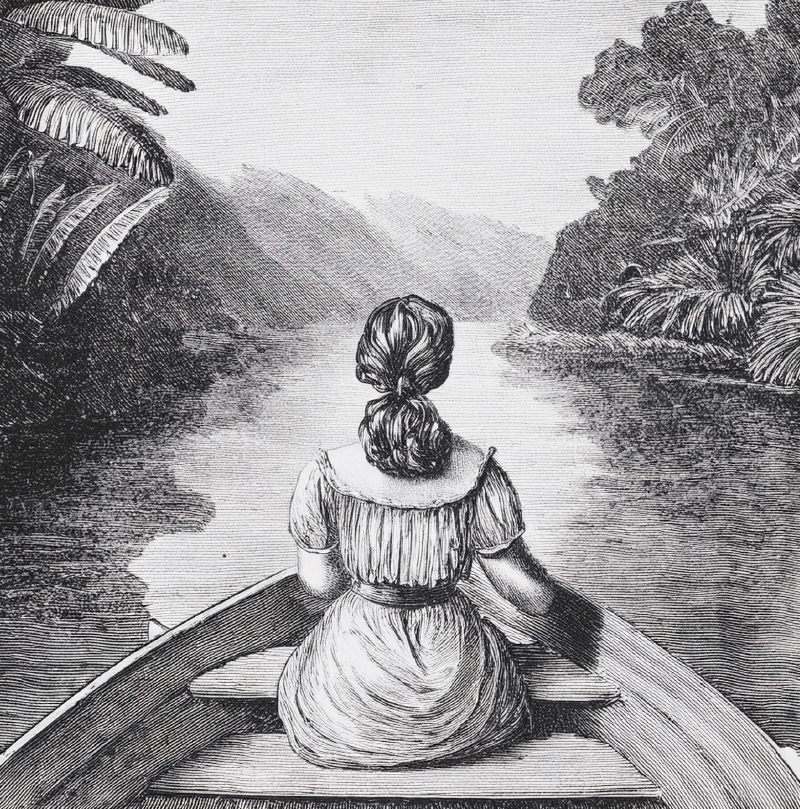
In Tupi, Nhundiaquara comes from “nhundia” (fish) and “quara” (hole). This name was one of the first designations for the village that would eventually become Morretes.
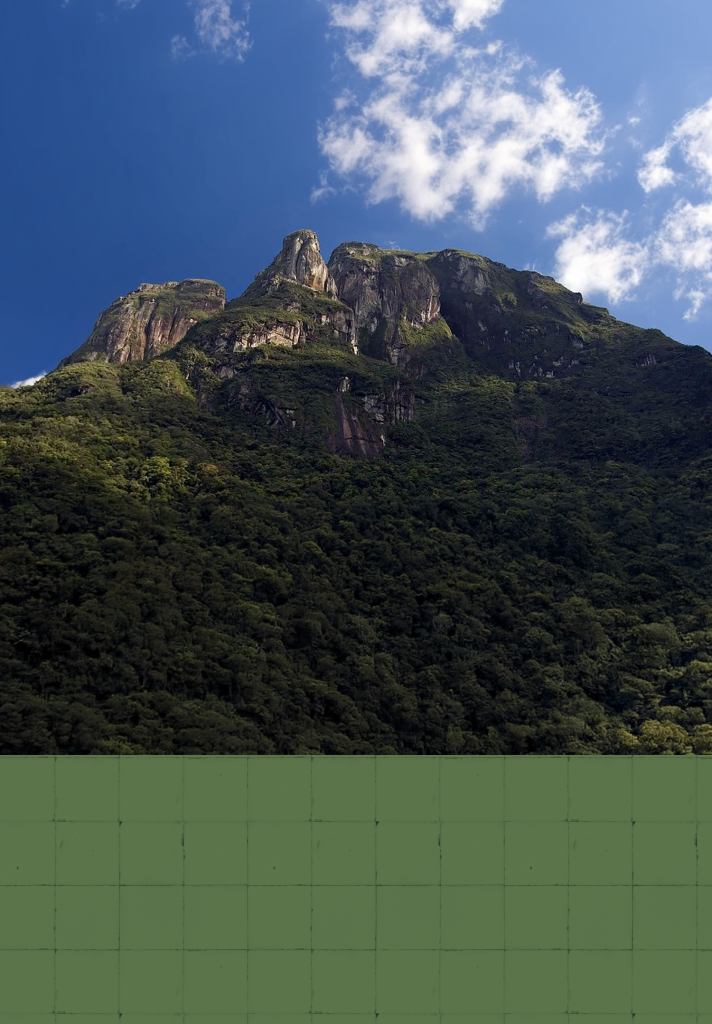
Marumbi, on the other hand, derives from “maromby,” meaning “river of large fish.” The mountain is one of the tallest in the country.
These are just some of the meanings behind the two main natural symbols of Morretes. But they represent much more than that. It was through the Nhundiaquara River that the first inhabitants arrived in the area that would later become our city. And Marumbi, part of the world’s largest preserved Atlantic Forest reserve, surrounds the city, creating a stunning and unique landscape. Not to mention it helps keep the temperature at a cozy 40ºC in the summer… That is, when it’s cool, as the locals say.
Pico Marumbi
1.539 meters
(Approximately the combined height of 5 Eiffel Towers)
Río Nhundiaquara y Pico Marumbi. Morretes no sería Morretes sin ellos.
En tupí, Nhundiaquara proviene de “nhundia” (pez) y “quara” (agujero). De hecho, este nombre fue una de las primeras denominaciones del pueblo que, algún día, sería Morretes.
Marumbi proviene de “maromby”, que significa “río de peces grandes”. La montaña es una de las más grandes del país.
Bueno, estos son solo algunos significados de los dos principales símbolos naturales de Morretes. Pero significan mucho más que eso. Fue a través del Nhundiaquara que llegaron los primeros habitantes del lugar que se convertiría en nuestra ciudad. Y el Marumbi, parte de la mayor reserva preservada de Mata Atlántica del mundo, abraza la ciudad, dándole un paisaje hermoso y único. Además de ayudar a mantener el calor de 40º grados en verano… Eso cuando está fresco, como dice la gente de aquí.
Pico Marumbi
1.539 metros
(Aproximadamente la altura combinada de 5 Torres Eiffel)